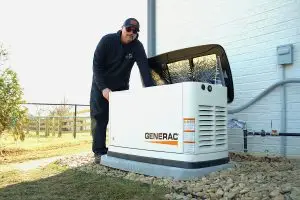
Installing a whole-home generator is a significant decision for homeowners in Middle Tennessee, especially given the region’s susceptibility to power outages due to storms and other natural events. This guide will help you understand when to install a standby generator, the associated costs, the benefits of having one, and what to expect during the installation process. By the end of this article, you will have a clear understanding of how a whole-home generator can enhance your home’s energy reliability and comfort. We will also explore financing options and maintenance tips to ensure your generator operates efficiently for years to come.
What Are the Typical Costs of Whole-Home Generator Installation in Tennessee?
The costs associated with installing a whole-home generator in Tennessee can vary significantly based on several factors, including the generator model, installation complexity, and home size. Generally, homeowners can expect to invest between $10,000 and $25,000 for a quality standby generator system. This price range typically includes the generator unit, installation labor, and necessary permits.
How Does Home Size Affect Permanent Standby Generator Cost?
What Financing Options Are Available for Generator Installation in Middle Tennessee?
-
0% Interest Plans: Available for qualified customers, allowing you to finance your generator without accruing interest.
-
$0 Down Payment Options: Start your installation without any upfront costs, making it easier to budget for your new generator.
-
Flexible Payment Terms: Choose from short-term or long-term financing options that fit your financial situation.
What Are the Key Benefits of Installing a Standby Generator for Middle Tennessee Homes?
-
Uninterrupted Power During Outages: A standby generator automatically activates during a power outage, ensuring that essential systems remain operational.
-
Increased Home Safety: By maintaining power to critical systems like heating, cooling, and security, a generator enhances the safety and security of your home.
-
Higher Resale Value: Homes equipped with standby generators often have a higher resale value, as potential buyers appreciate the added convenience and reliability.
What’s The Difference Between Standby and Portable Generators
How Does a Whole-Home Generator Provide Reliable Backup Power During Outages?
What Home Comfort Improvements Come from Integrating Generators with HVAC Systems?
What to Expect During the Whole-Home Generator Installation Process in Middle Tennessee?

What Are the Typical Installation Steps and Timeline?
-
Consultation and Assessment: A professional evaluates your home’s power requirements and recommends an appropriate generator size.
-
Installation Planning: The installation team prepares for the installation, including obtaining necessary permits and scheduling the work.
-
Installation Execution: The generator is installed, including electrical connections and any necessary modifications to your home’s infrastructure.
-
Testing and Commissioning: After installation, the system is tested to ensure it operates correctly and meets safety standards.
Which Local Permits and Regulations Affect Generator Installation?
How Can Homeowners Maintain and Extend the Life of Their Whole-Home Generators?